Since 2021 the players can be paid, and the gap widened
NIL opened the market for every athlete. The programmes that had the most to offer before July 2021 still have the most to offer now.
The rule change was real; the floor was not
Name, image and likeness — NIL — became permissible for college athletes in July 2021, when the NCAA suspended its longstanding prohibition after a string of state laws and a Supreme Court ruling made the old model indefensible. The principle was simple: a player could sign an endorsement deal, charge for an appearance, sell a jersey, run a social-media partnership. What the rule did not create was a floor. It created a market, and markets price talent where the audience already is.
At LSU, operating out of Baton Rouge with a television footprint, a Power Four conference affiliation and a stadium that holds over a hundred thousand people, the NIL infrastructure arrived almost immediately. Collectives — donor-funded entities set up specifically to pool and direct NIL money — formed around programmes that already had the booster base to support them. At ULM in Monroe, or at McNeese State in Lake Charles, or at Northwestern State in Natchitoches, the audience is smaller, the local business community thinner, and the collective infrastructure, where it exists at all, works with a fraction of the capital.
The NCAA's own governance page on NIL does not set a dollar ceiling or a floor; it leaves the market to function. The market, predictably, followed existing inequality.
What it means on a Sun Belt budget
A Sun Belt programme like Louisiana in Lafayette or ULM in Monroe was already operating on an athletics budget an order of magnitude below the SEC schools in the same state. The guarantee game — the fee a Power Four programme pays a smaller school to travel and absorb a loss — exists precisely because that gap is structural. NIL did not close it. In some respects it sharpened the recruiting calculus in ways the transfer portal made immediately visible.
Before 2021, a prospect weighing a Sun Belt offer against a Power Four offer was comparing scholarship value, playing time, coaching, proximity to home. After 2021, NIL earning potential entered the calculation as a documented variable. A highly rated recruit from Louisiana who might once have taken a developmental role at a mid-major could now see, in concrete terms, what the larger market was prepared to pay. The transfer portal gave upperclassmen the same arithmetic. The transfer portal is open to any scholarship athlete, and movement predictably flows toward programmes that can offer both playing time and market access — a combination that smaller programmes can sometimes win on the first count but rarely on both.

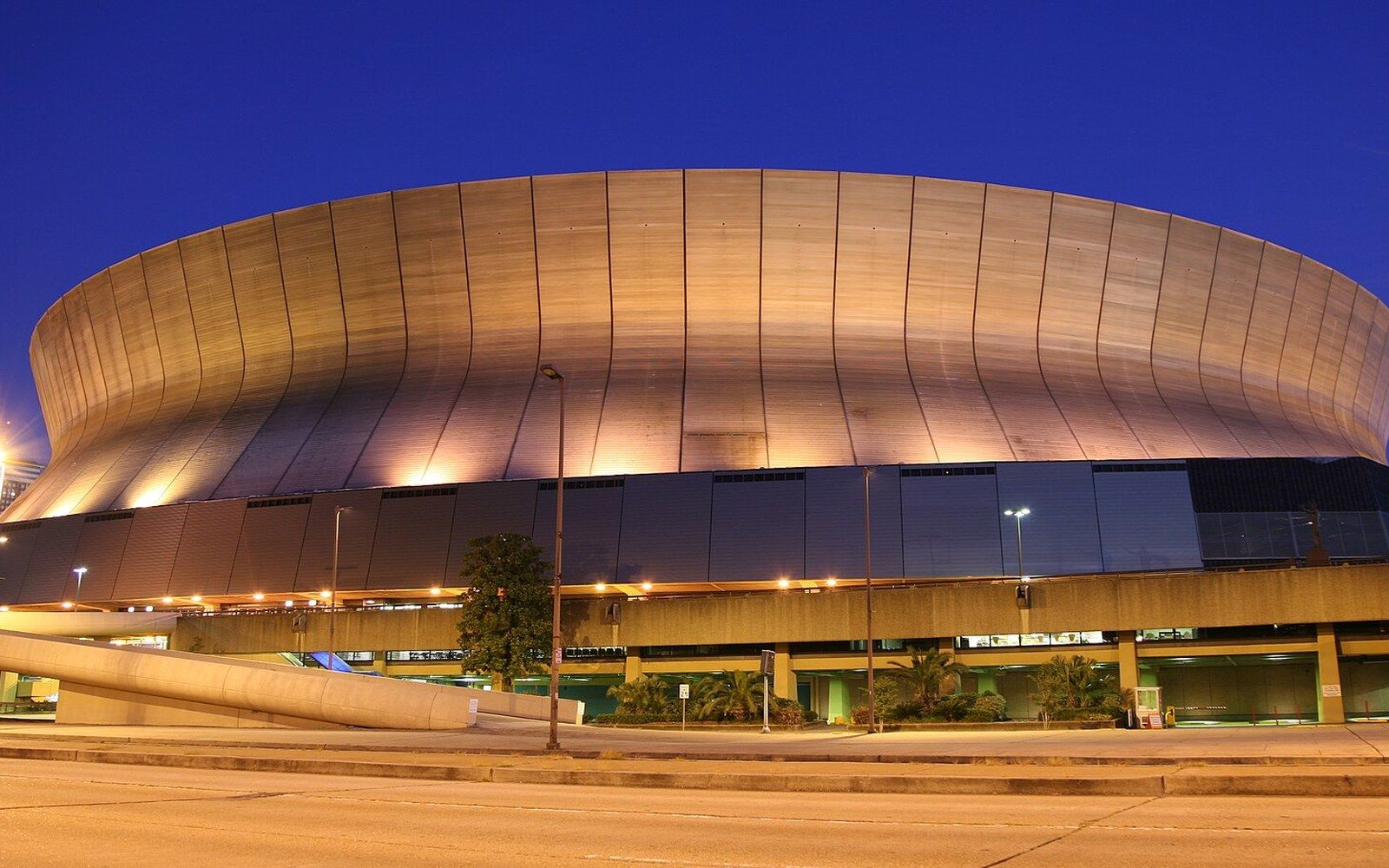
That is not to say Sun Belt programmes are helpless. Louisiana, operating out of Cajun Field in Lafayette, built a genuine regional identity and a run of conference success in the early 2020s that gave its players visibility. A linebacker who wins the Sun Belt is not invisible to sponsors in Acadiana. But the scale is different. A starter at Grambling State playing in the SWAC has a programme history — Eddie Robinson's 408 wins, Doug Williams's career — that carries cultural weight, and the Bayou Classic at the Caesars Superdome draws a crowd whose spending power has always shown up for the bands and the game in equal measure. NIL can attach to that tradition. Whether it does, and at what dollar value, depends entirely on local business appetite and collective organization.
The gap is structural, not accidental
The deeper issue is that NIL did not introduce inequality to college athletics; it priced it. The Knight Commission on Intercollegiate Athletics has tracked the spending gap between the wealthiest programmes and the rest for years, and the numbers show a chasm that predates 2021. What changed is that the gap is now legible to eighteen-year-olds choosing a school. A Sun Belt athletic director can still make the case — playing time, development, a genuine role — but the pitch has one more line of arithmetic to compete with, and that line tends to favor the school that already had the money.
The record, in figures
The material below is the documented substance behind the piece: dates that can be checked, capacities as they are published, and figures as they were reported at the time.
The timeline
- July 2021NCAA suspends NIL prohibition following state legislation and Supreme Court pressure
- 2021 onwardcollectives form at Power Four programmes to pool and direct NIL money
- NIL + transfer portal combination becomes the dominant recruiting variable by the 2022–23 cycle
What the market produces
- No NIL floor set by NCAAearnings determined entirely by local market size and collective capital
- Sun Belt and SWAC programmes compete on playing time and development, not NIL scale
- Transfer portal movement tracks toward programmes offering both market access and roster opportunity
 The Money
The road fixture is a budget line before it is a game
A guarantee game pays a visiting programme a fixed fee to travel and, usually, lose. The fee funds the rest of the athletic department.
Long read The Money
The fee is spent before the bus leaves
The guarantee covers scholarships, travel and staffing across sports that generate no revenue at all.
Short read Sun Belt
A conference defined by who is not in it
The Sun Belt holds programmes that play Division I football on budgets an order of magnitude below the conference an hour away.
Long read