He never coached a game at the job he took
Bo Rein was hired by LSU, died before the season started, and left his real record at NC State — but Louisiana still counts him.

The Hire and the History It Never Made
On December 5, 1979, LSU named Bo Rein its head football coach. He was thirty-four years old, fresh off back-to-back winning seasons at North Carolina State, and considered one of the sharper offensive minds in the South. The job was a step up in every measurable sense — budget, recruiting territory, visibility — and the hire landed cleanly in Baton Rouge. LSU was buying a career in ascent.
Rein never coached a single game for the Tigers. On January 10, 1980, the light aircraft carrying him from a recruiting trip in Shreveport lost contact with air-traffic control and flew, unresponsive, for hours before going down over the Atlantic Ocean. The National Transportation Safety Board attributed the accident to hypoxic incapacitation — oxygen deprivation that rendered both occupants unconscious while the plane continued on autopilot until it ran out of fuel. Rein was thirty-four. The NTSB report became part of the public record; the LSU job became a footnote attached to another man's coaching career.
What the Record Actually Says
The career that Louisiana absorbed into its memory was built in Raleigh, not Baton Rouge. Rein had played at Ohio State under Woody Hayes and spent years working through the assistant ranks before arriving at NC State in 1976. In three seasons there — 1976 through 1978 — he went 8-4, 8-4 and 9-3, the latter year ending in a Peach Bowl appearance. Those numbers, assembled in the Atlantic Coast Conference against programs with genuine resources, were what got him the LSU offer. They are his complete head-coaching record. There is no LSU chapter to evaluate because there was no LSU season.

What Louisiana actually has of Rein is a ghost of ambition — the projection of what he might have done, the roster he would have shaped, the rivalries he never stood on the sideline for. Tiger Stadium had seen coaches come and go against the full weight of SEC competition; Rein arrived, signed a contract, and then the job became someone else's. Charlie McClendon had just stepped aside. Jerry Stovall got the programme next.
Why Louisiana Remembers Anyway
The reason Rein's name persists in Louisiana has less to do with anything he did in the state and more to do with the nature of the hire and the nature of the loss. LSU football operates in a culture where the head coach is a public figure from the moment the press conference ends. Rein became that figure — profiled, projected upon, recruited against — before he had run a single practice. The death that followed was not an abstraction. It arrived during the recruiting cycle, during the part of the year when a programme's ambitions are most visible and most loudly stated, and it arrived violently enough — a plane flying dark over the ocean — that the image lodged.

There is also the regional habit of counting ambition as a kind of achievement. The guarantee game exists in part because programmes in this ecosystem believe they belong on bigger stages even before they can demonstrate it; a hire like Rein's was, for LSU boosters and fans, its own form of that statement. He was the coach who was supposed to modernise the offence, supposed to recruit against Alabama and Tennessee with something fresh. The fact that he never got the chance does not, in Louisiana memory, cancel the appointment.
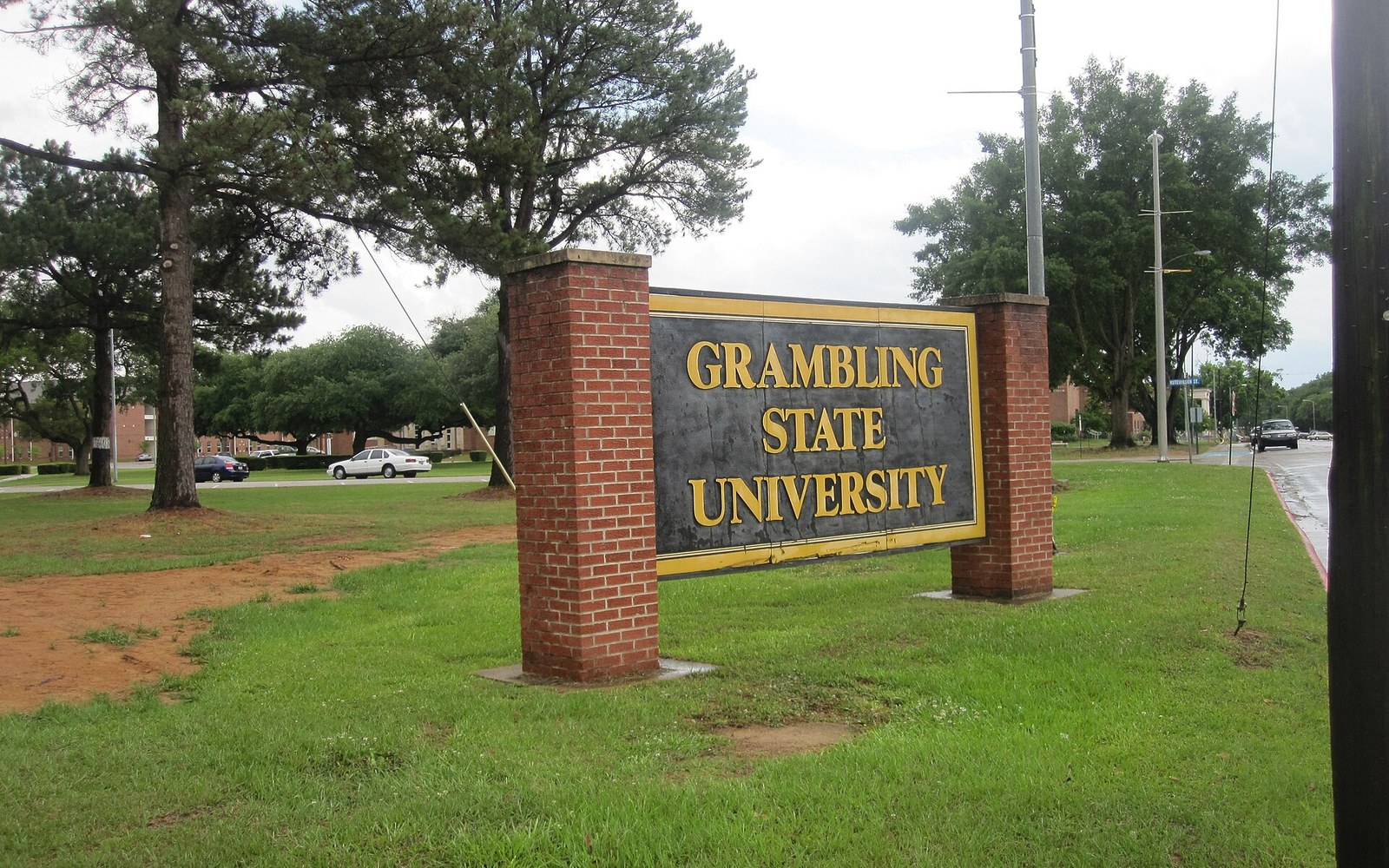
His name occasionally surfaces in discussions of coaching history alongside the men who actually shaped Sun Belt–adjacent programmes — the long tenures, the documented records, the legacies measured in decades. Eddie Robinson at Grambling built his over fifty-five seasons and sent players to every level of professional football; Rein had three seasons and a plane ticket. The comparison is not flattering in terms of output, and it is not meant to be. The point is that Louisiana football culture keeps both names, for entirely different reasons, and that is its own kind of accounting.
What the ledger actually shows: nine years as a college assistant, three years as a head coach, twenty-five wins, a bowl game, and a job he accepted and never worked. The record belongs to North Carolina State. The memory belongs to Louisiana anyway.
The record, in figures
The material below is the documented substance behind the piece: dates that can be checked, capacities as they are published, and figures as they were reported at the time.
The timeline
- 1976Rein hired as head coach at NC State
- 1976–78three seasons: 8-4, 8-4, 9-3; 1978 ends with Peach Bowl appearance
- December 5, 1979LSU announces Rein as head coach
- January 10, 1980aircraft loses contact over Louisiana; Rein dies
- NTSB ruling: hypoxic incapacitation (oxygen deprivation) cited as cause
Key distinctions
- Head-coaching record25-11 at NC State, ACC; zero games at LSU
- Cause of deathNTSB attributed the accident to crew incapacitation, not mechanical failure
- Successor at LSUJerry Stovall ultimately took the programme after the vacancy
 Coaches
Fifty-five years at one programme
Eddie Robinson coached Grambling State for 55 seasons and sent a documented number of players into professional football.
Long read Coaches
From Grambling to the seventeenth pick
Doug Williams was drafted seventeenth in 1978 out of Grambling and later became the first Black quarterback to start and win a Super Bowl.
Long read Sun Belt
A conference defined by who is not in it
The Sun Belt holds programmes that play Division I football on budgets an order of magnitude below the conference an hour away.
Long read