The other one, and the rivalry that comes with it
The in-state fixture that matters most to both programmes rarely travels far to find its heat.

Vermilion and maroon, a short drive apart
The game between Louisiana and ULM does not carry a sponsorship name or a legacy trophy with a story most fans can recite. What it carries is proximity — roughly two hundred miles of road between Lafayette and Monroe — and the particular irritation that comes from sharing a state, a conference, and a recruiting map with a school that is always just similar enough to matter. Both programmes play in the Sun Belt Conference, both chase the same pipeline of Louisiana prospects, and both need a winning record against the other to hold the argument at recruiting visits that they are the programme worth choosing.
Lafayette's side of that argument is delivered at Cajun Field, the on-campus stadium that opened in 1971 and has been expanded in stages to hold just over 41,000. That capacity reflects an honest accounting of Louisiana's footprint in the mid-size market it occupies; the Ragin' Cajuns are not trying to look like LSU. The stadium's surface, configuration and site — within walking distance of campus, no moat of parking required — give it the feel of a facility that was built for the programme it actually has, and most of what happens inside it on game day confirms that. When the in-state rivalry comes to Lafayette, the place fills in a way it does not always manage for a mid-week Sun Belt fixture against a programme nobody in the stands is personally invested in.

What the conference arithmetic does to the rivalry
The mechanical fact that structures this game is simple: Louisiana and ULM are in the same conference, which means the game counts in the standings and both coaching staffs prepare for it accordingly. A Sun Belt division title can turn on it. That structural pressure is different from what drives a rivalry between programmes in different leagues, where the stakes are reputational rather than mathematical. Here, the score feeds directly into whether a programme controls its own postseason position, and that is a different kind of urgency.
The Sun Belt's scholarship limits and budget constraints also mean neither programme can simply outlast the other by spending. Both operate at roughly the same resource level, which keeps the series genuinely competitive rather than a foregone conclusion in either direction. Louisiana has the larger local fanbase and the longer tradition of football as a cultural anchor in Acadiana — the French-heritage region of south Louisiana — but ULM's programme has had stretches of real competitiveness, and the series record across the conference era reflects that neither school has been able to put it away.

What Louisiana does have is a more settled identity in its own market. The Cajuns carry a regional cultural distinctiveness — Acadiana is a recognizable place with its own cuisine, music and dialect — that gives the programme something to sell beyond wins and losses. That matters in recruiting conversations and in the willingness of a local fanbase to fill a forty-one-thousand-seat stadium on a Saturday afternoon. ULM works harder to assert its claim on northeastern Louisiana, a region where LSU pulls first-look attention from anyone who might otherwise watch college football.
The fixture itself, whatever its current competitive standing, remains the one game on the Louisiana schedule that people in Lafayette are thinking about before the season begins and comparing notes on for weeks afterward. Not because of history alone, and not because of trophy hardware, but because it is the one opponent that genuinely understands the conditions. The same recruiting territory, the same conference structure, the same budget arithmetic — and two hundred miles of road to cover before you can prove it means anything.
The record, in figures
The material below is the documented substance behind the piece: dates that can be checked, capacities as they are published, and figures as they were reported at the time.
What shapes the fixture
- Cajun Field capacityapproximately 41,000; opened 1971, expanded in stages
- Both programmes play in the Sun Belt Conferencestandings pressure makes the game count beyond bragging rights
- Lafayette to Monroeroughly 200 miles; conference rivals sharing a state and a recruiting map
- Acadianathe French-heritage region of south Louisiana; gives Louisiana a distinct regional identity in the market
Louisiana
A stadium sized for the programme it has, not the one it wants
Malone Stadium in Monroe is the working home of a Sun Belt programme and its capacity is an honest number.
Long read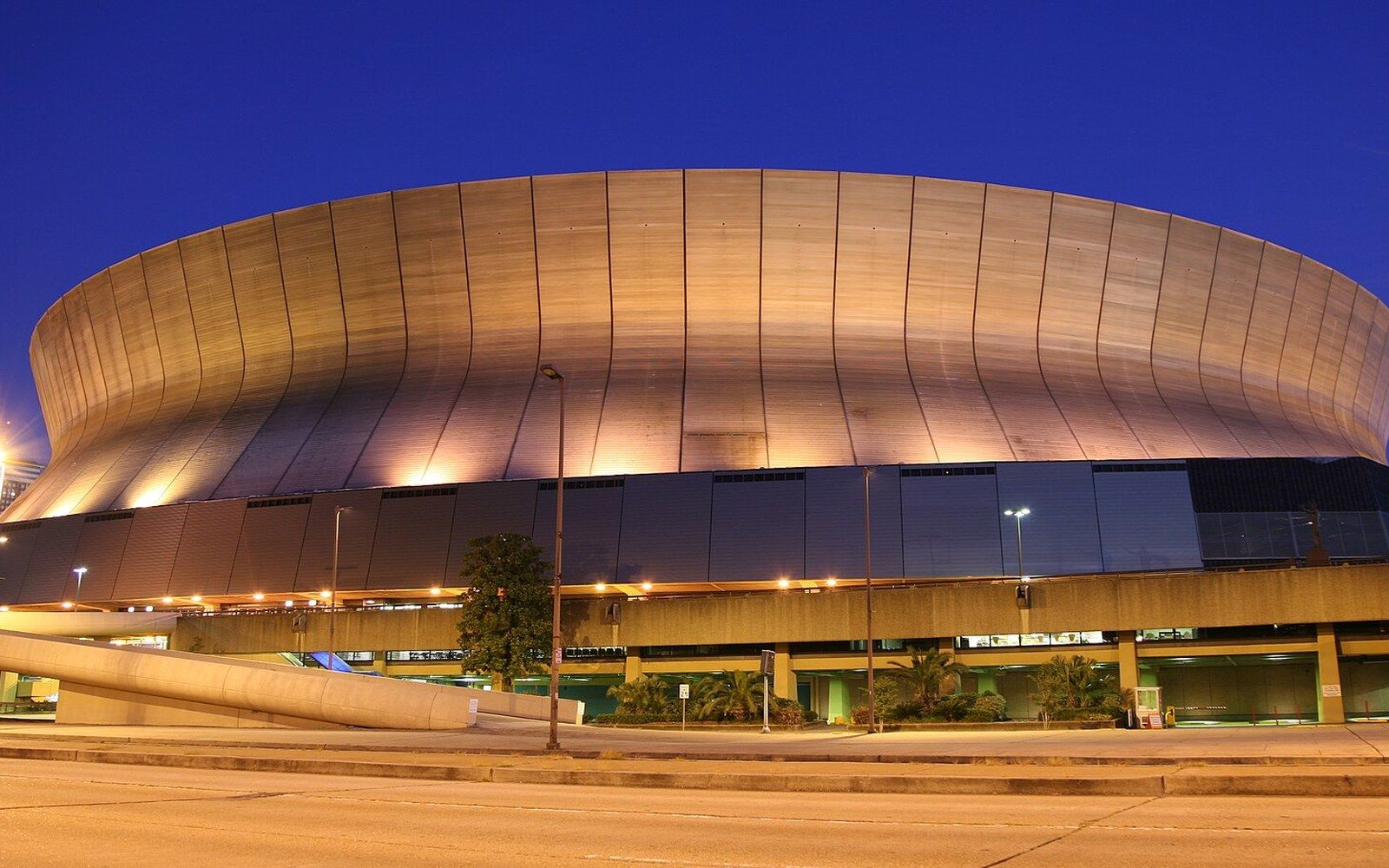 Louisiana
The Bayou Classic fills a professional stadium
Grambling and Southern meet in the Superdome, and the marching bands are as much of the event as the football.
Long read Sun Belt
A conference defined by who is not in it
The Sun Belt holds programmes that play Division I football on budgets an order of magnitude below the conference an hour away.
Long read