The Bayou Classic fills a professional stadium
Two HBCU programmes play a rivalry game in a building that hosts the NFL. The bands are not the halftime show — they are half the reason anyone comes.
A game that outgrew its origins
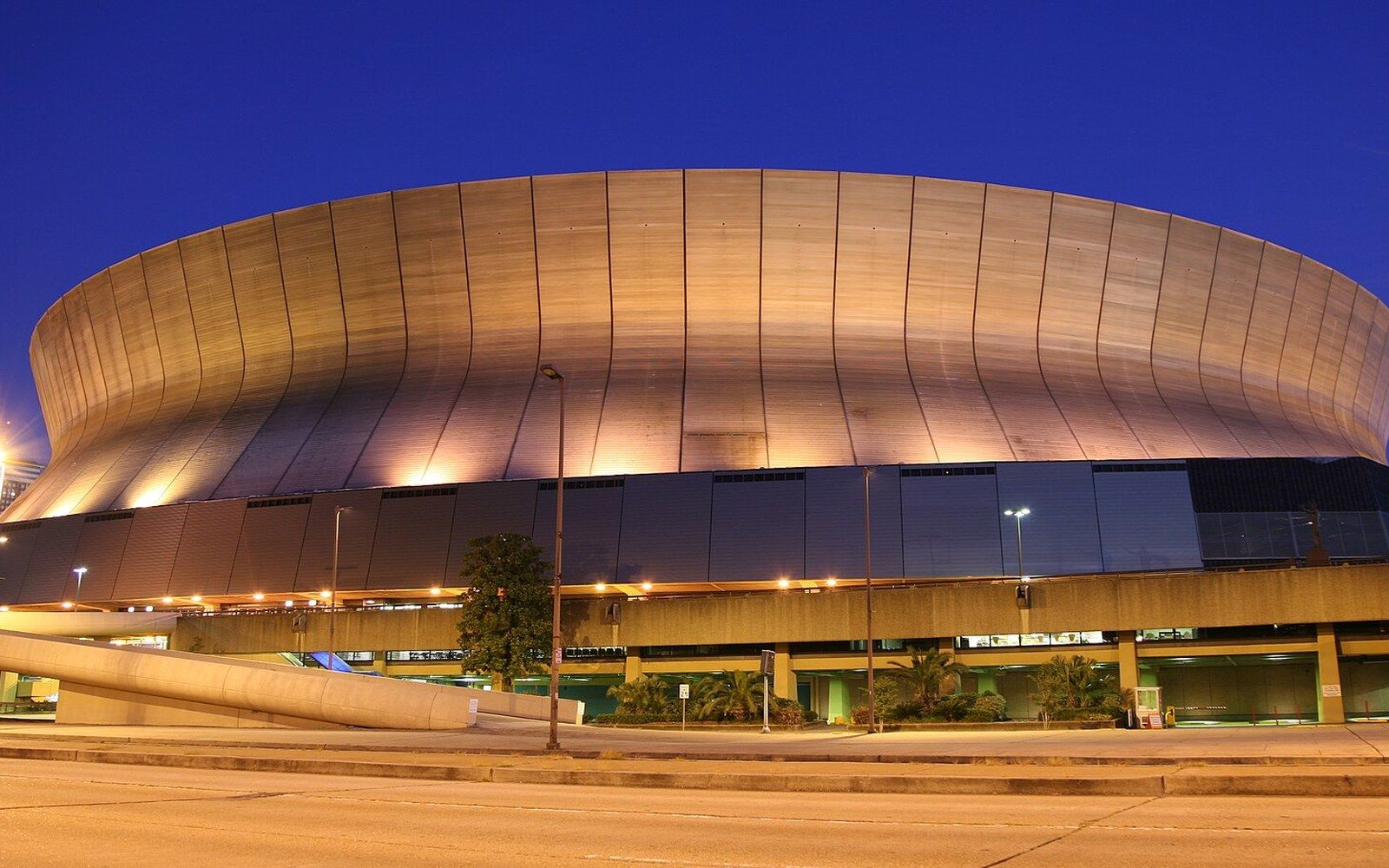
The Bayou Classic between Grambling State and Southern University has been played in New Orleans since 1974, and at the Caesars Superdome since 1975, and the venue has never felt like an overreach. The game draws crowds that most Sun Belt programmes spend a decade trying to build toward. Attendance regularly exceeds 60,000, which puts it in the company of mid-tier power-conference matchups and well above anything a typical SWAC weekend produces. A professional building, a professional crowd, and two programmes whose operating budgets would not cover a single SEC assistant's salary. The gap between the infrastructure and the money behind it is the story of the Bayou Classic in one sentence.
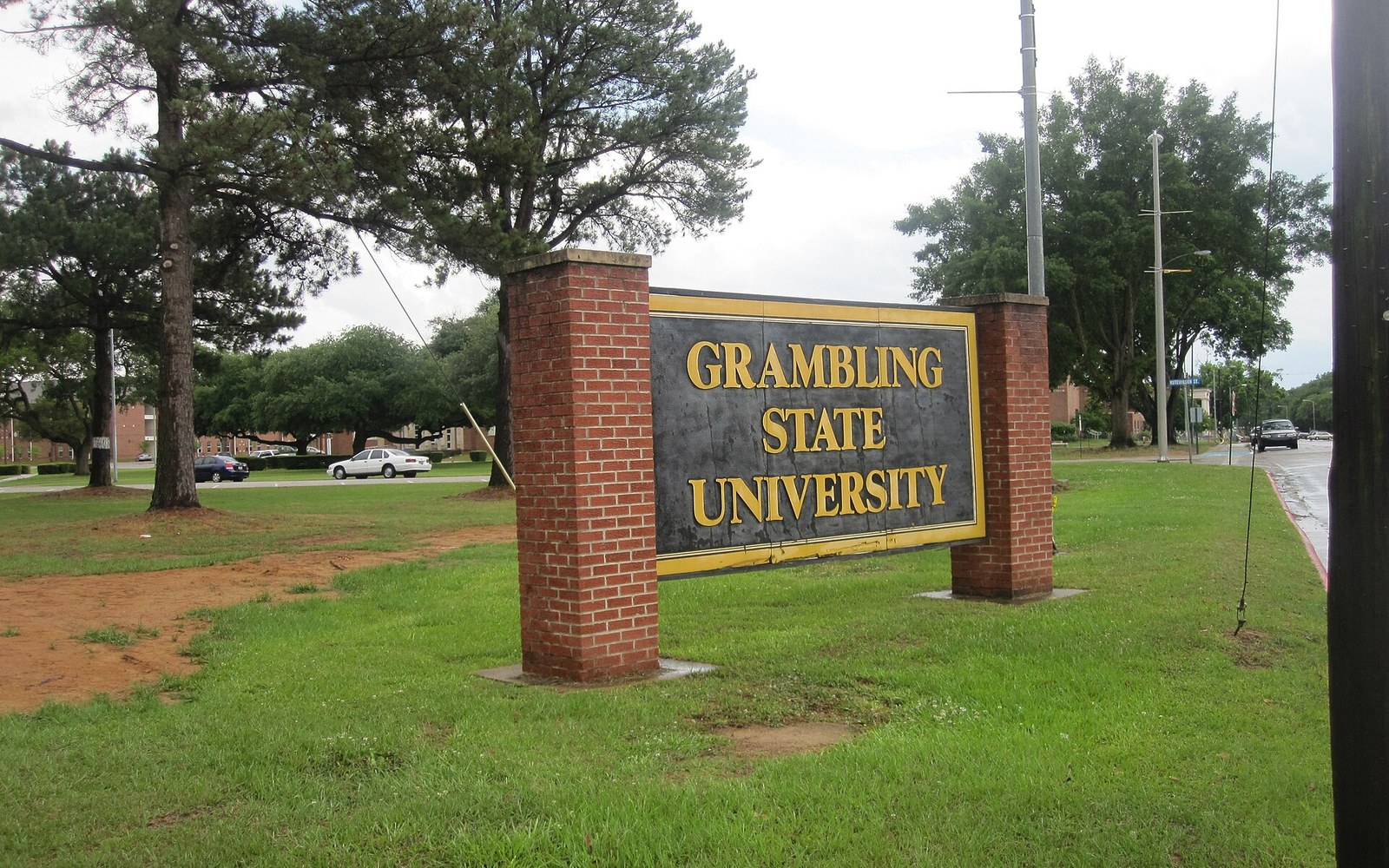
Grambling State is in Grambling, Louisiana, a town that would not appear on most maps were it not for the university. Southern sits in Baton Rouge, close enough to LSU that the two institutions share a city without sharing anything else — not funding levels, not facility investment, not the kind of national television exposure that drives a recruiting budget. Both programmes compete in the Southwestern Athletic Conference, a historically Black conference whose football has never been measured fairly against its actual cultural output. The Bayou Classic is the proof of that mismatch. The game sells out a building that seats more than 70,000, and it does it on the strength of tradition, rivalry and the bands.
The bands are not a sideshow
The halftime competition between the Grambling State Tiger Marching Band and Southern's Human Jukebox is, for a substantial portion of the crowd, the main event. This is not a casual observation — it is a documented feature of HBCU band culture that sets these programmes apart from the broader college football calendar. SWAC band performances are judged, debated and replayed. Alumni travel specifically for them. The Superdome's size makes it a natural amphitheatre for the purpose: the acoustics are contained, the sightlines from the upper deck look straight down onto the field, and there is no open end to bleed sound into a Louisiana November.

The Human Jukebox earned its name by playing recognisable popular music with a precision and volume that felt mechanical in the best sense. Grambling's band carries the institutional weight of Eddie Robinson's programme — the winningest coach in college football history by games won worked at the same institution, which gives the band's performance a resonance that is partly athletic, partly historical. Neither band is funded like its Power Four counterparts. Both perform like they are. The gap, again, is the story.
What the Bayou Classic demonstrated early, and has continued to prove, is that marching band culture at HBCUs operates on a different register than the pregame and halftime entertainment model common at predominantly white institutions. The band is not filling time between the football. It is drawing its own audience, sustaining its own media coverage, and generating its own economy of ticket sales and travel spending inside the larger event.
The economics of playing in the Superdome
Renting the Caesars Superdome is not cheap, and the arrangement the Bayou Classic operates under reflects a negotiated relationship between the game's organising structure and the venue. The game is essentially a neutral-site fixture, which means neither Grambling nor Southern collects home gate revenue in the straightforward way a home game generates income. What both programmes gain is exposure, gate share from an attendance figure that dwarfs anything Eddie G. Robinson Memorial Stadium in Grambling or A.W. Mumford Stadium in Baton Rouge could produce, and the kind of national visibility that a SWAC game played on a campus cannot replicate.
The guarantee game model that governs so much of lower-division football finance is inverted here. When a programme like ULM travels to an SEC school, it collects a fixed fee in exchange for providing an opponent and, usually, a loss. The Bayou Classic is not a guarantee game — it is a revenue event that both programmes enter as principals. The difference matters. A guarantee game is a budget line disguised as a football game. The Bayou Classic is a football game that generates its own budget line, one that helps fund the rest of both athletic departments' non-revenue sports through the proportionality requirements that Title IX imposes on every Division I programme.
The gap between the infrastructure and the money behind it is the story of the Bayou Classic in one sentence.
The game's economic footprint in New Orleans is substantial. Hotels, restaurants and the French Quarter absorb the traffic of a Thanksgiving-weekend crowd that travels from across the country. New Orleans has always understood how to monetise a gathering, and the Bayou Classic fits the city's calendar the way Mardi Gras does — not as a tourist attraction bolted onto the existing culture, but as something the city owns and the city works.
- Caesars Superdome capacity: more than 70,000 seats
- Bayou Classic typical attendance: regularly exceeds 60,000
- Game moved to the Superdome: 1974
- Doug Williams NFL draft position: 17th overall, 1978
- Doug Williams Super Bowl win: January 1988 (Super Bowl XXII), with Washington
What the game means to the record books
Southern leads the all-time series, a fact that Grambling partisans note alongside the programme's longer list of SWAC championships and the sheer volume of players Eddie Robinson sent to professional football. Doug Williams, who played at Grambling under Robinson and was drafted seventeenth overall in 1978, later became the first Black starting quarterback to win a Super Bowl — a distinction earned in 1988 with the Washington franchise. Williams is the most decorated name the programme has produced, but the list behind him is long, and every name on it passed through a campus that the Superdome crowd would struggle to find on a map.
Southern's counterargument is the series record and the institutional size of Baton Rouge. Southern University's main campus is larger by enrollment, and the proximity to the state capital has historically meant a closer relationship with Louisiana's political and funding machinery. Neither programme has the budget to pretend that proximity to power translates into power-conference resources, but the Bayou Classic is the one weekend a year when none of that registers. The Superdome is full, the bands are loud, and the scoreboard is the only number that matters until Sunday.
The game has survived conference realignment anxieties, the disruption of Hurricane Katrina, which pushed the 2005 edition away from New Orleans, and the steady financial pressure that bears down on every HBCU athletic department operating inside Division I's cost structure. It survives because the audience it has built is not contingent on a power conference's television deal or an athletic department's capital campaign. It was built over fifty years of the same two programmes, the same city, the same bands, and the same argument about who wins in November.
The record, in figures
The material below is the documented substance behind the piece: dates that can be checked, capacities as they are published, and figures as they were reported at the time.
Chronology
- 1974Bayou Classic moves to the Superdome in New Orleans
- 1978Doug Williams drafted 17th overall out of Grambling
- 1988Williams wins Super Bowl XXII as starting quarterback
- 2005Hurricane Katrina forces the game out of New Orleans for that edition
 Louisiana
A stadium sized for the programme it has, not the one it wants
Malone Stadium in Monroe is the working home of a Sun Belt programme and its capacity is an honest number.
Long read Louisiana
The other one, and the rivalry that comes with it
Cajun Field in Lafayette holds the in-state fixture that matters most to both programmes.
Short read Sun Belt
A conference defined by who is not in it
The Sun Belt holds programmes that play Division I football on budgets an order of magnitude below the conference an hour away.
Long read